
 INDEPENDENT FIELD ARCHIVE
Wiindigoo
-
Subarctic and Great Lakes North America · Algonquian-speaking First Nations, among them the Ojibwe (Anishinaabe), Algonquin, Innu and Mi'kmaq
Wiindigoo
Windigo · wendigo · wiindigoog (Ojibwe plural)
Shapeshifters
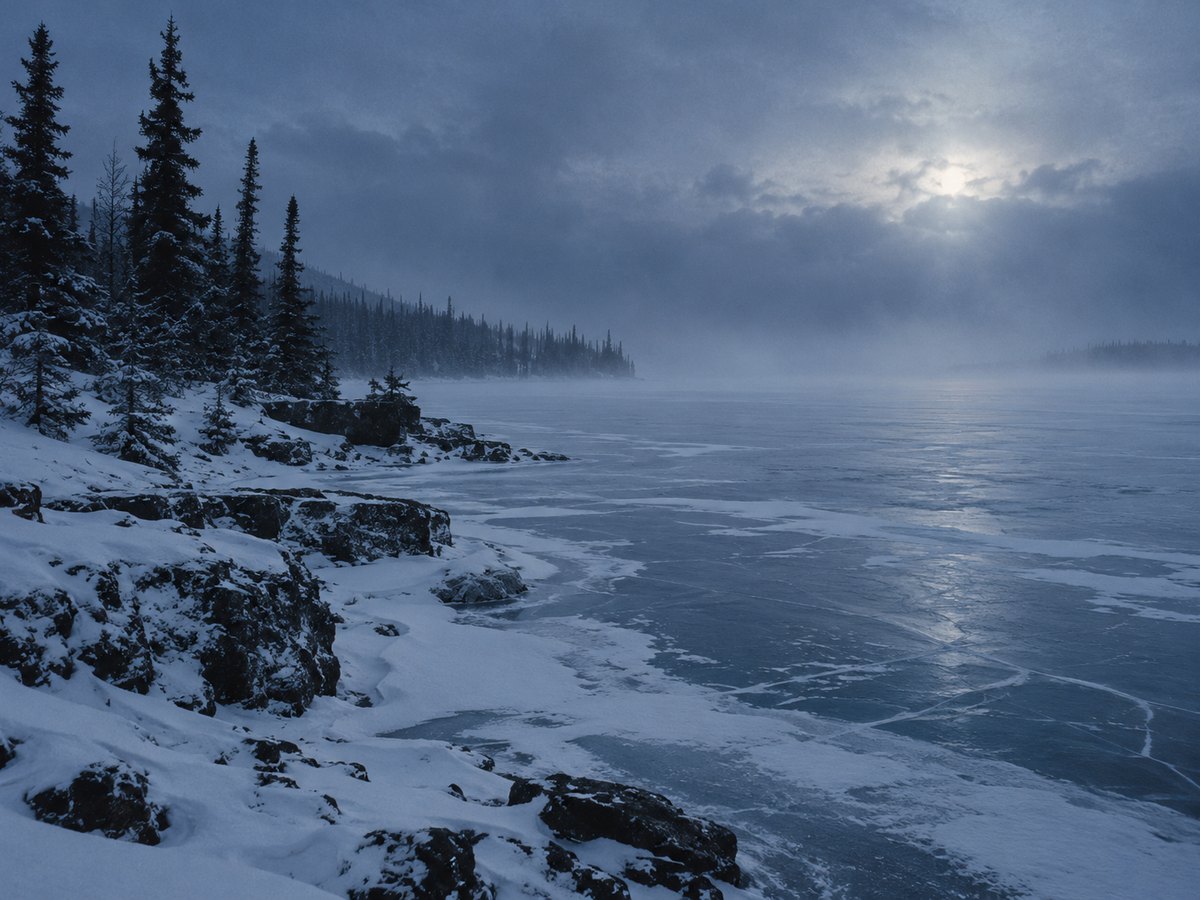
AI illustration · imagined scene, not an evidence photograph In Ojibwe the wiindigoo is "a winter cannibal monster" (Ojibwe People's Dictionary), and in the Elders' accounts gathered by Anishinaabe author Linda LeGarde Grover it is a giant, "a person who has turned cannibal". Maude Kegg recounted her grandmother's story of an old man who had almost become one, and of the ice "he must bear within himself" that melts in spring. Paul Buffalo told the story of a boy warned that a windigo waited out where the lake ice was weak: "a story to teach young people what the waters are, what the ice is".
A living spiritual tradition of Algonquian-speaking peoples, used by Elders to teach: The Canadian Encyclopedia calls the legends cautionary tales about isolation and selfishness, and the importance of community. Leech Lake Elder Paul Buffalo said the story "is only for cold weather", a telling protocol this card respects by keeping to what the sources say. The belief has also been turned on real people, some of whom were killed as suspected windigos, and "windigo psychosis" is a label whose reality the encyclopedia calls still highly disputed, not an established diagnosis.
Earliest written source not verified
Linda LeGarde Grover, "Windigo presence in selected contemporary Ojibwe prose and poetry", WINHEC Journal (2009) (archived)
Tradition · not evidence