
 INDEPENDENT FIELD ARCHIVE
Lobisón
-
Southern Brazil and Argentina · Rural Iberian-American tradition; Ambrosetti calls it European in origin
Lobisón
lobisome (the form Ambrosetti heard in Rio Grande do Sul)
Shapeshifters
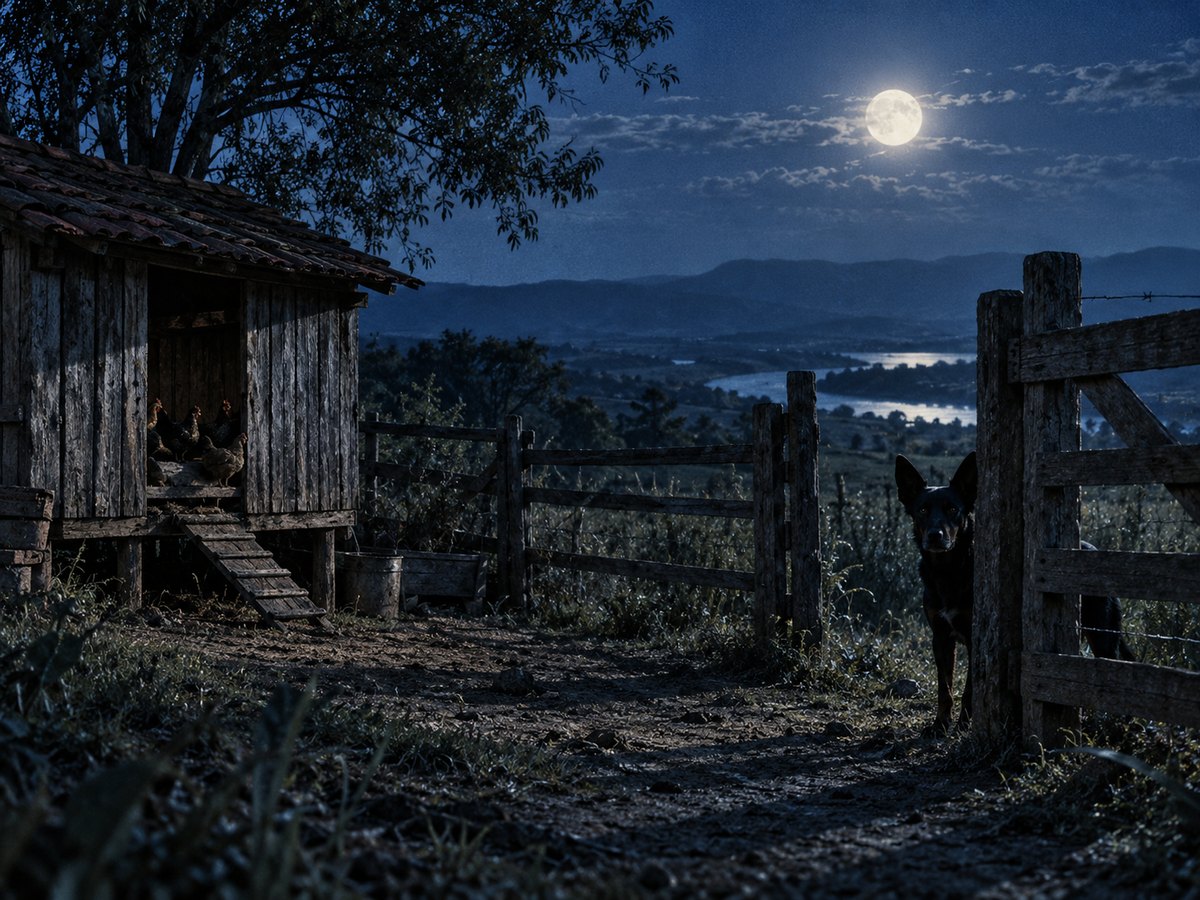
AI illustration · imagined scene, not an evidence photograph Juan B. Ambrosetti's informants in Rio Grande do Sul told him that becoming a lobisome is the fate of a seventh son born in an unbroken line of sons, while a seventh daughter in a row becomes a witch. Every Friday at midnight the man turns into an animal like a dog or a pig, with great ears, and roams the middens and henhouses. Wounding it breaks the spell, but the freed man will then try by every means to destroy the one who freed him.
The belief has been turned on real people: Ambrosetti recorded that men suspected of being lobisome were pointed out with suspicion and made "una especie de paria" (a kind of pariah). How widely it is held today is not documented in the sources opened. A popular claim that Argentina's custom of the president standing godparent to a seventh son exists to keep him from becoming a werewolf is wrong: NPR corrected that report in 2014, quoting historian Daniel Balmaceda (via the Guardian) that the myth "is not in any way connected to the custom", which began with Russian émigrés in 1907.
Earliest written source: Juan B. Ambrosetti, Supersticiones y leyendas (Buenos Aires: La Cultura Argentina, 1917), "El Lobisome"; earlier printings were not checked
Juan B. Ambrosetti, Supersticiones y leyendas (1917)
Tradition · not evidence