
 INDEPENDENT FIELD ARCHIVE
The findings
What the files
actually show.
478 public files. Seven tranches. A clearer picture
of what’s here — and what’s not.
 Still
some things
don’t fit.Real places.
Unresolved
questions.FIELD OBSERVATIONS
THE STORY STAYS OPEN.
- 478Files released
Across seven tranches
of public records. - 59%Redacted in part
More than half of the files
contain redactions. - 53%Dated 2020 or later
Of files with dates,
most are from 2020 or later. - 3Files from 1977–95
Only three files
across 1977–1995.
Files by incident year
A modern-heavy archive.
in recent years.
Finding 01
A modern-heavy
archive.
The majority of dated files are from 2020 or later. Only three files date to 1977–1995, The release is weighted toward recent reporting and documentation.
 Same sky.
Different era.
Read the evidence
The release is routinely described as eighty years of files. Counted by the date of the incident rather than the date of the paperwork, it is not. Of the 393 files carrying a usable date, 210 — 53% — record something that happened in 2020 or later. Fewer than a quarter predate 1977.
Only the 393 files the source dates well enough to place appear here; 85 carry no usable date and are absent from this chart, not from the release. Bars count files, not incidents — several files often describe one event.
Three files cover the nineteen years from 1977 to 1995: a Los Alamos astronomy-club invitation, and two State Department cables, from Papua New Guinea and Kazakhstan. Nothing connects them. That window is where the subject's best-known cases sit, and in this release it is empty.
Finding 02
Redaction increases
with recency.
59% of the files are redacted in part, with a higher proportion of redactions in more recent files.
Redaction rate / Department of War
Dated files · same agency · split at 2010
Read the evidence
Redaction is not spread evenly across the release. It tracks recency, almost step by step, and it does so within a single agency's own files — so it cannot be explained away as some agencies being more careful than others.
The Department of War redacted 25% of its pre-2010 files and 87% of its later ones. Same database, same release, four times the marking on recent material. By format the pattern repeats: audio comes out clean, video is the most heavily redacted thing in the set.
Finding 03
478 files ≠ 478 cases.
Multiple files relate to the same incidents, events, or ongoing investigations. The release contains 478 files, but fewer unique cases.
Read the evidence
The file count is the number most often quoted. It is not a count of incidents, and in places it is not even a count of documents. 23 rows point at a file another row already points at — the same PDF filed under two identifiers, usually once as a Mission Report and once as an Unresolved UAP Report.
The source cross-references its own files, and that column is the fastest way to see how the release is actually built. 214 of the 478 files name a related file at all. Following every reference that resolves produces 1,510 links — and 91% of them belong to a single block of 53 files referencing each other: the AAWSAP research contract of 2008–11, 37 of whose documents are commissioned physics literature reviews on warp drive, wormholes, antigravity and metamaterials. They are not encounter reports. Set that block aside and the entire remaining release shares 132 links between 425 files.
300 files — 63% of the release — connect to nothing else in it that resolves.
Finding 04
Notable cases mostly
absent by name.
Well-known cases are largely not identified directly in the released files, even when the descriptions suggest possible connections.
Not found
by name.
Read the evidence
This is the finding that takes the longest to believe and the least work to check. Searching every title, description and location in the release for the canon of the subject — the cases this archive's own research pack documents, plus the four US Navy videos and the programme names that fill the post-2017 reporting — returns almost nothing.
Of the 46 names searched, 41 appear in no file at all. The exceptions are Tremonton, Utah, 1952 — a Blue Book film case, 5 files — the Robertson Panel, Blue Book itself, and the AAWSAP contract. Cross-checked the other way, against the 33 notable cases in this archive's case table: not one of the 31 cases dated before 2025 has a PURSUE file from the same year.
The honest caveat: a file can describe an incident without naming it, and several here do — locations are given as Western United States or CENTCOM rather than as places. The claim is narrow and it is about vocabulary: the release does not name the canon. What it cannot tell you is whether the canon is in there under a different description.
Finding 05
Geography reflects
U.S. sensor coverage.
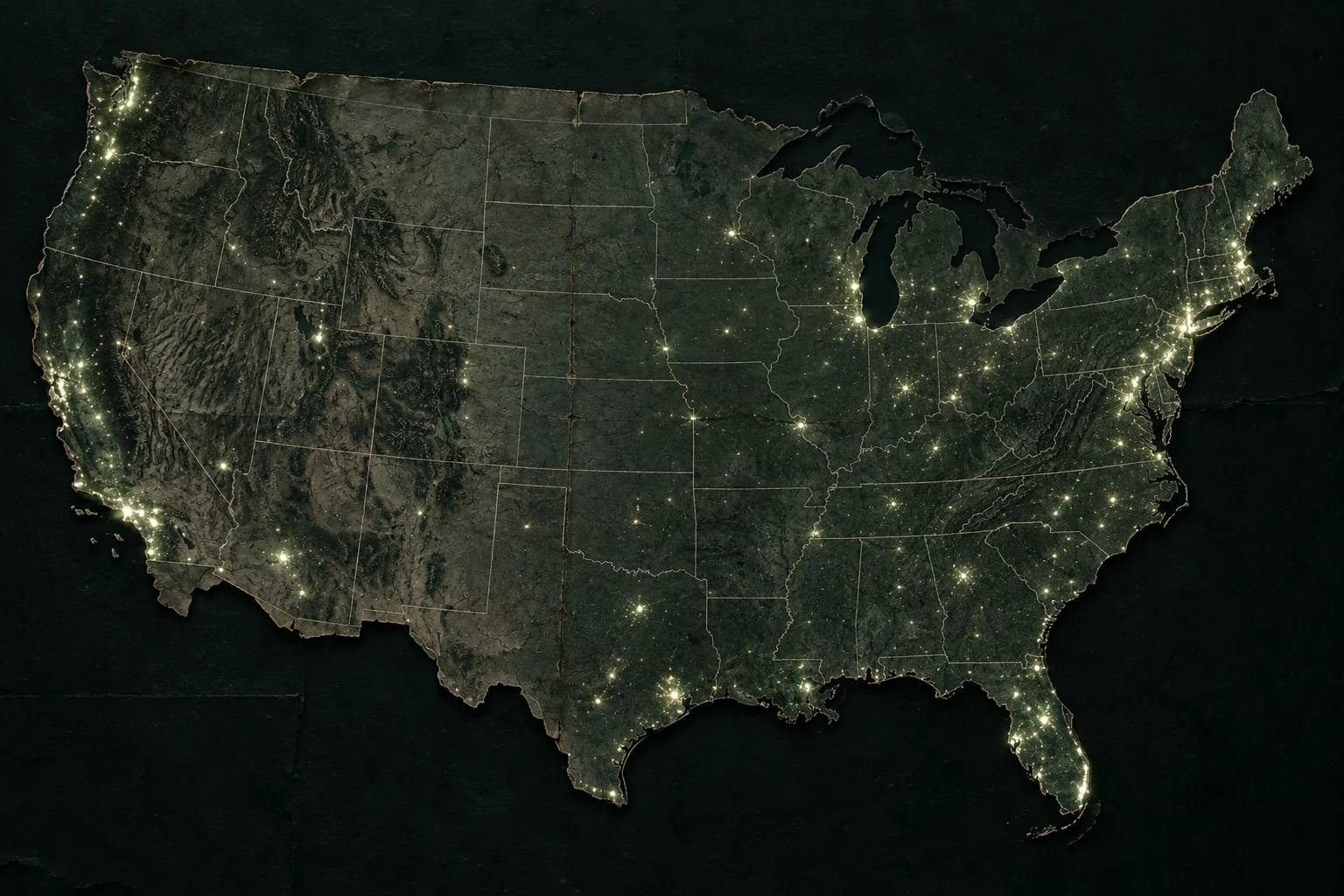
The locations in the files align with where U.S. sensors are primarily deployed, rather than a random global distribution.
observation.
Not random
distribution.Illustrative map
Read the evidence
This archive's own research covers a phenomenon reported in roughly twenty countries, with continuously operating government investigation desks in France, Chile and Uruguay. The PURSUE release is not that. Its non-US content is overwhelmingly carrier decks and contested airspace — and those are the parts of it that come out almost entirely redacted.
A record of where the phenomenon occurs would not look like this. A record of where the United States was watching would.
Finding 06
Almost no drone
or UAS terminology.
Terms like “drone,” “UAS,” or “unmanned” appear a combined 2 times across the files, despite modern dates.
Keyword mentions / titles & descriptions
Almost
no use
of these
terms.
Read the evidence
Counting words across every title and description in the release, with whole-word matching so resolved cannot be scored by unresolved:
Part of this is selection: a release of open cases will describe open cases. But the second group is harder to explain that way. These are American military files from 2023 to 2025, and across all 478 of them the words drone, UAS and unmanned aircraft appear a combined 2 times. The third group matters for what it rules out: the one recovery the release mentions is a 1962–64 interagency policy for satellite fragments that fall on foreign soil. Nothing describes recovering a craft.
Finding 07
One investigation
stands apart.
A Western United States Event investigation differs from the rest, involving multiple agencies and unusually low redaction compared to other files.
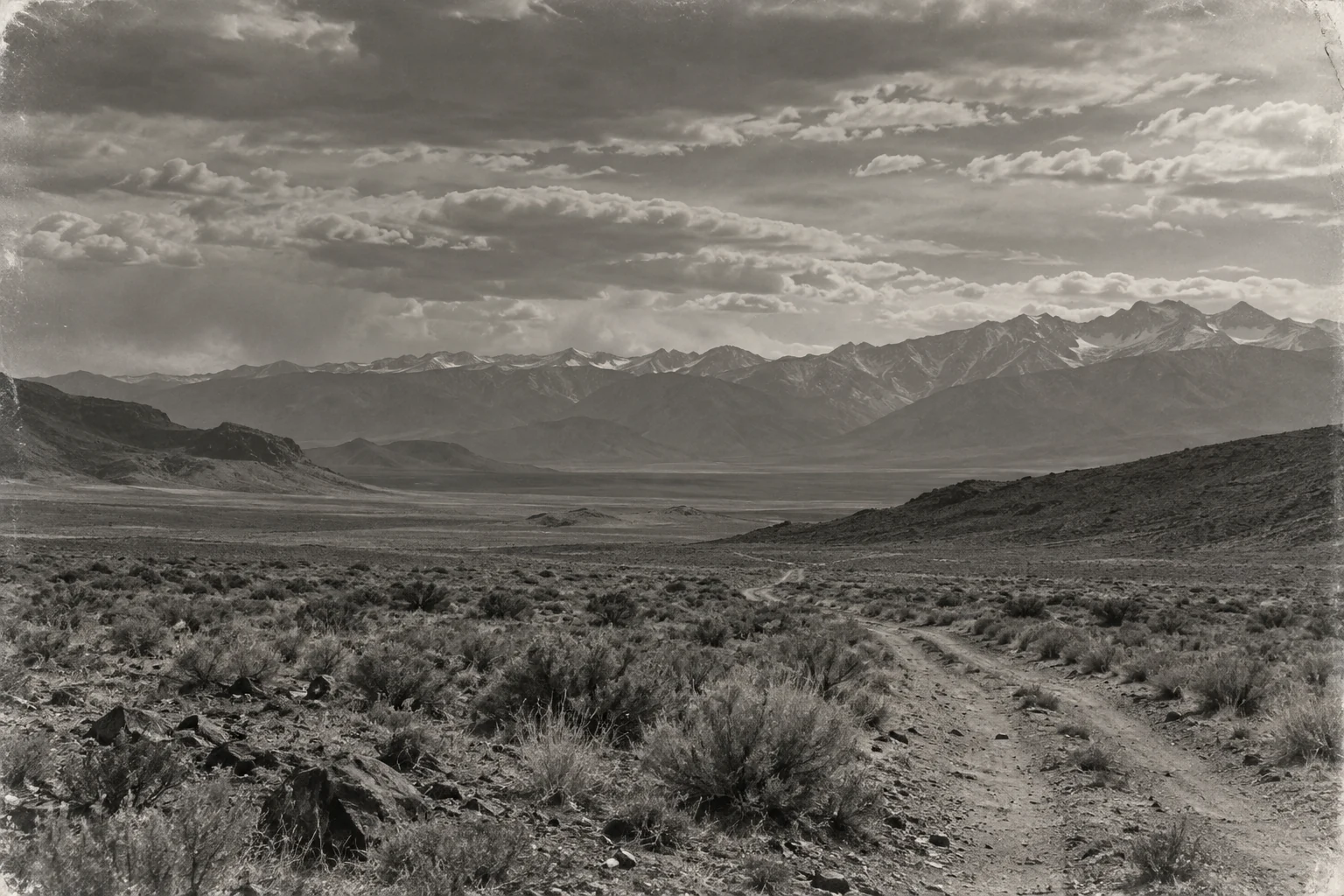 WESTERN UNITED STATES / 2023 ↗
exception.Multi-agency
Broader context
More detail
Read the evidence
The Western United States Event of 2023 is 20 files: five narrative statements, digital renderings, a notional map, video, and an AARO unresolved-case analysis — filed jointly by the FBI and the Department of War. It is 5% redacted.
In a release that is 59% redacted overall, built mostly of files that reference nothing, it is the only multi-agency, multi-format, low-redaction investigation present. Whatever else the release is doing, this is the part of it assembled to be read.
How this was counted
Our analysis is based on 478 files released in six tranches of public records. We reviewed file dates, redaction status, locations, terminology, and cross-references to identify patterns, while accounting for multiple files related to the same events.
Read the method
The source is research/data/pursue-records.csv in this archive's public research pack — 478 rows collected from war.gov on 20 September 2026, one per released file. US government works are public domain; the underlying PDFs, video and audio are not mirrored here, and each row links to the document on war.gov. Every figure on this page is recomputed from that file by scripts/build-findings.mjs whenever the archive is built, and a test suite asserts the findings still hold, so a seventh tranche cannot leave a claim standing after it stops being true.
The landscape photographs, paper compositions, and observation map are illustrative artwork, not released evidence. Map lights do not represent geocoded records.
Three things on this page are editorial judgement rather than anything the source states, and are marked as such where they appear: the six era brackets, the grouping of free-text locations into regions, and the list of case names searched for in Finding 04.
Real places.
Unresolved
questions.